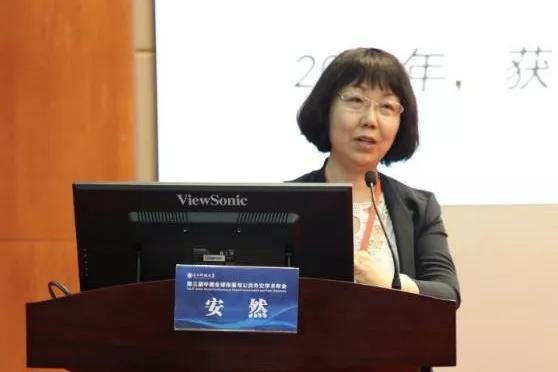
Introduction of the experts: An Ran, professor, doctoral supervisor, dean of the School of International Education at South China University of Technology, expert in multicultural education and cross-cultural communication. She went abroad to study in 1995 and received a doctorate in multicultural education from the University of Reading in the UK in 1999. She was brought back to China as a “specially appointed dean” in 2004. Under her promotion, the first Confucius Institute was established in 2011 in cooperation between South China University of Technology and Lancaster University in the UK. She is the director of the Guangdong Provincial Public Diplomacy and Cross-Cultural Communication Research Center and is responsible for the India-Pakistan research project of the National and Regional Research Base of the Ministry of Education.
Academic work requires calmness
When you meet Professor An Ran, you will find that she is as elegant, wise, quiet and peaceful as her name suggests. When facing my interview, she calmly and carefully talked about her learning process and research direction. By understanding Professor An’s research experience, you will know that she is also a scholar with a strong character.
In 2004, An Ran was brought back to China as a “specially appointed dean” and became the special appointed dean of the School of International Education of South China University of Technology. At the beginning of her return to China, the working conditions were relatively difficult, but she still worked hard to carry out research on overseas Chinese education in order to make tangible achievements. As one of the earliest explorers of Confucius Institute research, she facilitated the cooperation between South China University of Technology and Lancaster University in the UK in 2011 and built the first Confucius Institute; and won the first research project named “Confucius Institute” in the humanities and social sciences project of the Ministry of Education: Research on the cross-cultural adaptation and communication ability of Chinese teachers in Confucius Institutes.

To study culture, we must first understand the culture
In response to the question “What is the focus of the research institute?”, Professor An Ran said that the research he has been engaged in for many years all falls under the general theme of “cross- cultural research”, which can be roughly divided into two branches. One is “going out” , including research on Confucius Institutes, research on Chinese companies going out, and research related to the Belt and Road Initiative; the other is “bringing in” , such as the multicultural education of international students.
Regarding the suggestion of conducting “cross-cultural research”, Teacher An believes that perception and understanding are the first thing to do, and this is a long process. Since she started studying multicultural education as a doctoral student, Teacher An’s feeling is that “every time you come into contact with a new culture, or understand the same culture at different stages, you will have new discoveries and gains .”
It can be seen that cognition is a process of deepening step by step, and without this process, it is impossible to do “cross-cultural research”. We must learn to go into the culture. It is difficult to have a deep understanding of different cultures just by reading articles and papers. Only by having real feelings can we have real understanding.
Adapt before spreading
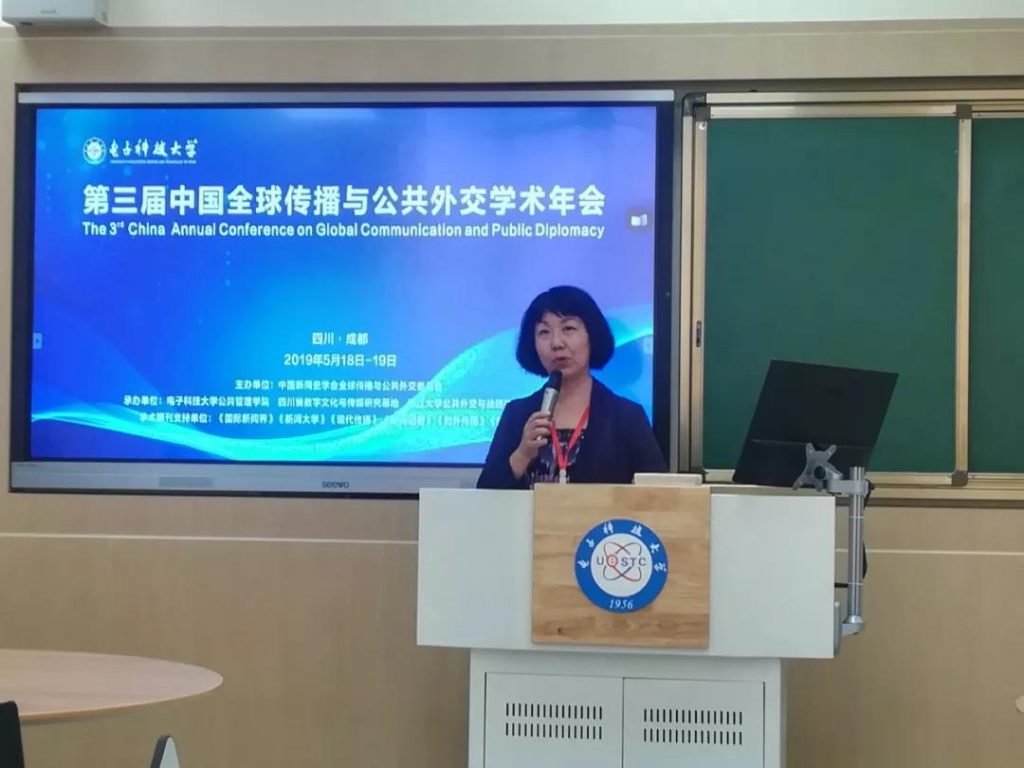
When asked, “What are the effective ways to improve cross-cultural communication?”, Mr. An seriously corrected that before talking about “communication”, we must first talk about adaptation. If “adaptation” is not good, there is no way to talk about communication. “Communication” is not just a positive concept, like the two sides of a coin, there are also positive and negative differences. If you don’t adapt well, it is very likely to cause negative communication. When facing different cultural phenomena, it is impossible to make real research just staying on the superficial first impression. It requires deeper digging. Only by cognition can we understand the real meaning. Not only cognition, but also identification, can then achieve integration and integration, and then on this basis, effective positive communication can be achieved.
The research of Confucius Institutes is divided into three parts, one of which is cross-cultural adaptation and communication research. The cross-cultural adaptation issue specifically includes the adaptation of volunteers, the adaptation of Chinese teachers, and the adaptation of Chinese directors. In this conference, the paper presented by Professor An was “The Impact of Cultural Intelligence on Work-Family Conflict: An Empirical Study of Chinese Teachers Sent to Confucius Institutes”, which shows the importance attached to cross-cultural adaptation issues.

Looking forward to future cooperation
In addition to the Confucius Institute project research, An Ran is also the director of the Guangdong Provincial Public Diplomacy and Intercultural Communication Research Center, and is also the host of the Ministry of Education’s “National and Regional Research Center-India Pakistan Research Center” related projects. Correspondingly, the important research point of the Pan-Himalayan Communication Research Center of the University of Electronic Science and Technology is the frontier and hot issues in the communication and social development of the Pan-Himalayan region under the background of the “Belt and Road Initiative”. When asked whether there is a possibility of cooperation with the center, An Ran said that he is looking forward to cooperating with the Pan- Himalayan Communication Research Center, but he still needs to further consider the cooperation method, grasp a main line, and land on specific cooperation projects .
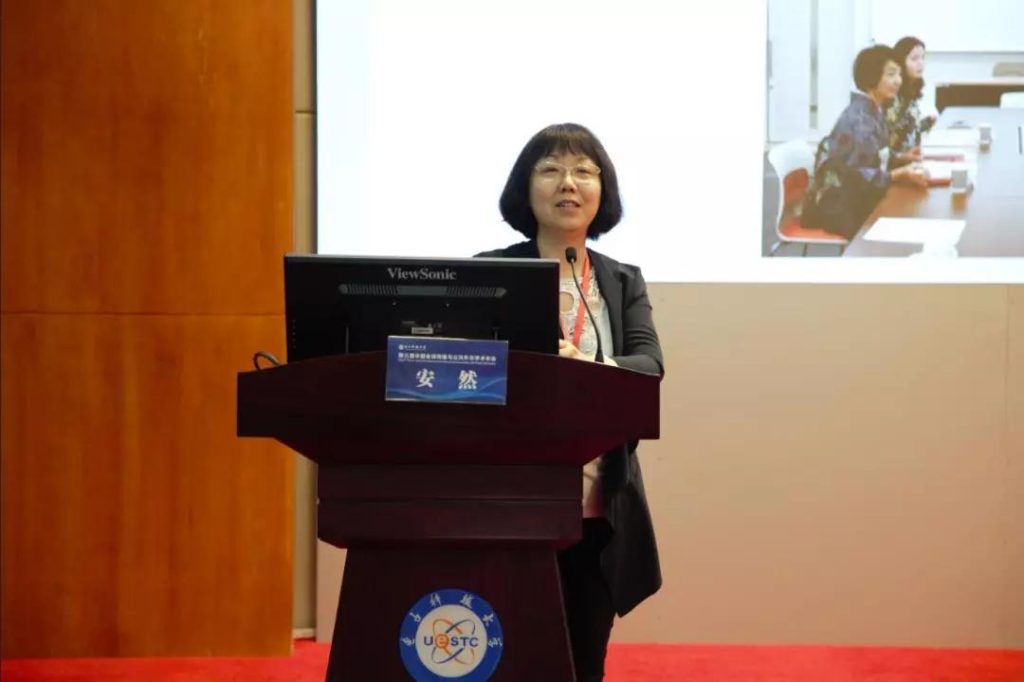
The conference content is a successful combination of theory and practice
At the time of the interview, a special discussion was being held at the China Global Communication and Public Diplomacy Academic Annual Conference. When asked about her gains and feelings from attending the conference, Professor An Ran felt that the theme of the conference was very focused and timely. In some of the special discussions she attended, the speakers were both academic and practical. For example, the speaker who discussed the theme of “How to Tell the Chinese Story” was looking for ways to tell the story from practice. This kind of academic seminar that combines theory with practice is very meaningful for further research on how to spread Chinese culture abroad and conduct cultural perception.