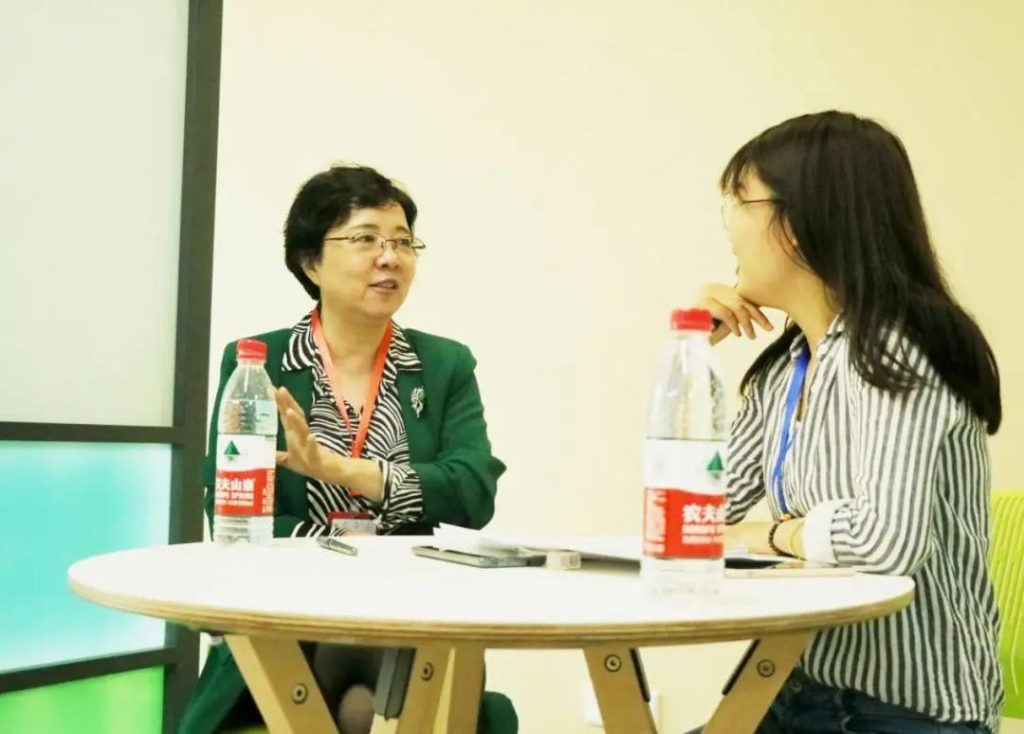
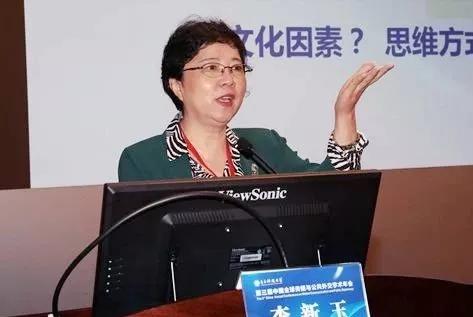
Doctor of International Relations, Director of the Strategic Research Center for People-to- People Diplomacy of the Chinese People’s Association for Friendship with Foreign Countries, expert in the construction of the Beijing International Exchange Center, and member of the Expert Committee of the Think Tank Alliance of the Western Returned Scholars Association. Main research directions: the impact of cultural factors on international relations, Sino-US relations, people-to-people diplomacy, city diplomacy, etc. From May 17 to 19, the 3rd Annual Academic Conference on Global Communication and Public Diplomacy of China was held at the Qingshuihe Campus of the University of Electronic Science and Technology of China. Li Xinyu, Director of the Strategic Research Center for People’s Diplomacy of the Chinese People’s Association for Friendship with Foreign Countries (hereinafter referred to as “CPFA”), delivered a keynote speech entitled “Some Thoughts on How to Do Public Diplomacy in the New Era” at the conference. In her keynote speech, Director Li introduced the three examples of “being sloppy”, “making cakes”, and “college entrance examination decision-making” to describe the differences between China and the United States in terms of cultural factors and ways of thinking. She believes that “telling the Chinese story well” requires not only clarifying what to say, but also paying attention to how to say it and how to tell it.
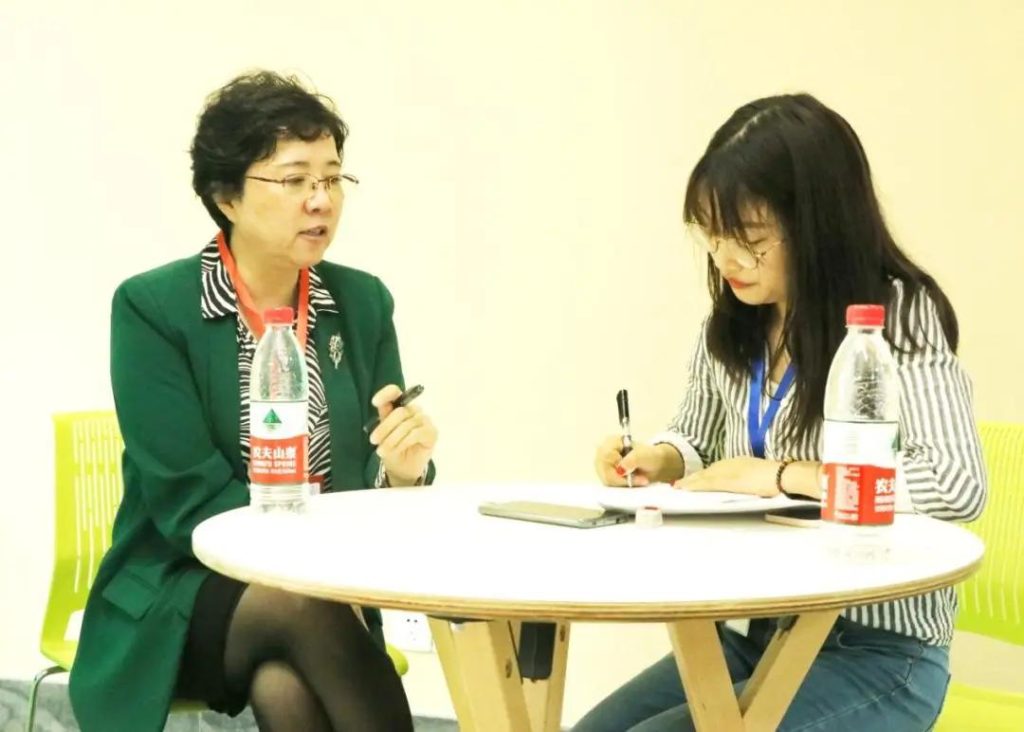
As an expert in the field of public diplomacy, Director Li has a profound understanding of how to tell China’s story well. A month ago, Director Li and Secretary Li Xiaolin of the Friendship Association co-authored and published the book “How to Tell China’s Story Well”, which became the theme of this interview.
Mission of the times: Make the world feel good about China
With the rise of China, there have been discordant voices such as “China Threat Theory” and “China Collapse Theory” in the international community. Director Li pointed out that the purpose of telling China’s story well is to make the world feel good about China. However, China’s current external communication has problems such as mixing internal and external propaganda, self-centeredness, self-talk, self-entertainment, and information lag, making it difficult for the world to understand a real, comprehensive, three- dimensional, and open China. Director Li believes that in order to enhance China’s national image, safeguard China’s national interests, and gain China’s voice in the international community, it is extremely necessary to make the world feel good about China.
Better to have nothing than to have something bad: On the selection of Chinese stories
What kind of stories are good stories that can represent China? Director Li believes that the key to telling Chinese stories well lies in how to tell them, and the characteristics of the stories will greatly affect the effect of communication. Therefore, characteristics and touching stories are the prerequisites for choosing stories, and storytelling, enlightenment and knowledge are the necessary characteristics of Chinese stories.
Director Li gave an example, saying that in the past, people only knew about the “Chinese New Year” as a lively Chinese festival. In the book “How to Tell Chinese Stories Well”, the book traced the origin of the Chinese New Year for readers, realizing the transformation from simply displaying Chinese traditions to expanding knowledge. At the same time, the cases representing Chinese stories in the book also try to balance the distribution of countries and domestic regions in terms of sources, presenting readers with successful examples of Chinese public diplomacy that combine allusions with current events from the three parts of culture, relationship, and story.
Appreciated by both the elite and the masses – working together to tell the Chinese story well
Director Li proposed that thinking about how to tell China’s story well is not only the work of experts and scholars in the field of public diplomacy, but also hopes to attract the attention of all sectors of society. Director Li hopes that the book “How to Tell China’s Story Well” can not only enable the press office to find some enlightenment from it, but also ordinary people can put this book in the bathroom as a leisure reading. As for the most important readership of this book – communication students, Director Li put forward his own expectations: to apply communication theory to more practical levels, strengthen the research on foreign discourse systems, and jointly make suggestions for telling China’s story well.
“The Chinese story is the proposition of the times, and telling the Chinese story well is the mission of the times.” How to tell the Chinese story well is both an urgent problem to be solved and a difficult problem to solve. China’s future public diplomacy still has a long way to go, and Director Li is full of expectations for our performance on this road.